
Last updated: March 2026 · For adults 19+ in Canada · Informational only
Why Do Some Cigarettes Burn Faster Than Others?
Sometimes two cigarettes from the same carton can feel different. One cherry races toward the filter; the other feels like it lingers. Other times, the surprise is between brands, strength tiers (full flavour vs light), or a fresh pack vs tobacco that has dried out in a glove box.
Burn speed is not random. It is the outcome of paper, tobacco packing, moisture, filter ventilation, small recipe differences, storage, and how you puff. This guide explains those levers in plain language—so you can interpret what you are feeling at the lip and get more predictable sessions when you try new brands.
If you are also weighing price per stick against burn and strength, pair this article with our Canada cigarette price breakdown for 2026 and our full flavour vs light vs ultra light explainer.
What you will learn
- What controls burn rate
- Quick comparison: what speeds vs slows a burn
- Filters, ventilation, and “light” cigarettes
- Storage and smoking habits
- Native brands: what people actually notice
- FAQ
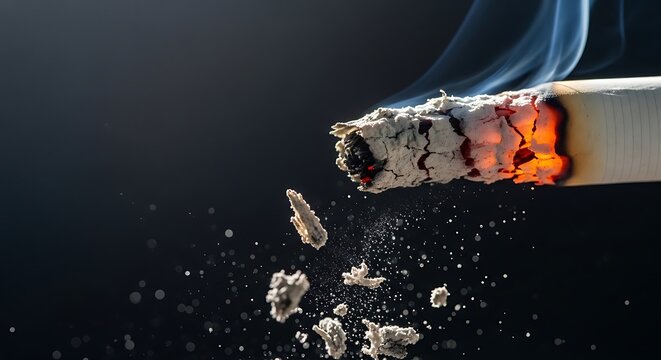
What controls how fast a cigarette burns
A lit cigarette is a narrow column of fuel. Air pulls through paper and packed tobacco; heat walks down the rod. Change airflow, moisture, or density and you change how quickly the ember travels.
1. Paper porosity and thickness
Cigarette papers are engineered for a target permeability—how easily oxygen passes through. More porous paper often feeds the cherry with more oxygen; that can shorten perceived smoking time depending on the rest of the design. Manufacturers balance paper specs with regulatory testing expectations in each market, so export packs with familiar branding do not always behave like Canadian retail packs.
For a neutral overview of how cigarettes are constructed as consumer products, see the Wikipedia article on cigarettes (general reference, not medical advice).
2. Cut, density, and moisture
Cut width and packing density change how much surface area is exposed and how freely air moves through the column. Moisture is just as important: drier tobacco often burns hotter and faster; tobacco that holds a bit more moisture can change the rhythm of the cherry.
That is a big reason an older pack can suddenly feel “fast”—and it connects to why travellers say foreign packs feel different too. Our deeper read on sensory differences—not only speed—is why cigarettes taste different around the world (and where native smokes fit).
3. Blends and burn modifiers
Commercial recipes vary by brand and country. Humectants help retain moisture; other ingredients influence how evenly the rod chars. You do not need a chemistry deep dive—just know that recipe changes are one more reason two similar-looking products can burn differently.
Quick comparison: factors that speed vs slow a burn
| Factor | Often speeds burn | Often slows / extends burn |
|---|---|---|
| Tobacco moisture | Drier tobacco | More retained moisture |
| Paper | More porous paper (all else equal) | Less porous / tighter draw characteristics |
| Puffing style | Harder or more frequent draws | Slower draws (within the same cigarette) |
| Environment | Wind, extra oxygen around the cherry | Calmer air |
| Filter ventilation | If you block vents unconsciously, tip dynamics change | High venting can change heat—often tied to “lights” |
Use the table as a mental model, not a lab report—real cigarettes combine several factors at once.
Filters, ventilation, and “light” cigarettes
Many filters include micro-vents that pull clean air in beside the smoke channel during machine testing. In real life, thumbs, lips, or habit can partly cover those holes. When venting changes, temperature at the tip and the way you compensate with deeper draws can shift—so “light” is not only a flavour label; it can interact with burn feel.
If you are choosing between tiers, use the strength guide linked above rather than guessing from colour alone.
Storage and habits matter as much as the factory
Factory specs meet the real world when you store and smoke the product. Heat swings, dry winter air, open foil, or a half-empty pack rolling in a bag for a week can all change moisture. Likewise, chain-puffing or smoking in wind changes oxygen supply to the coal.
Buying in bulk? Know what you are opening: how many packs are in a native cigarette carton helps you plan consumption before quality drifts.
Native brands: what shoppers usually notice
There is no honest rule like “native always burns slower” or “always faster.” What tends to matter is consistent format (often king size in Canada), predictable strength lines, and freshness from warehouse to door. If you switch brands, control what you can: same strength tier, similar storage, similar pacing for a fair comparison.
For brand-by-brand orientation, read PlayFare’s, Nexus, DK’s and more: a closer look at native lines, then browse native cigarettes in the shop on Native Smokes Canada.
FAQ
Do dry cigarettes burn faster?
Often, yes. Drier tobacco can change how hot the cherry runs and how quickly it marches down the rod.
Why does the same brand feel different after travelling?
Different markets use different blends, papers, and filter setups—even under familiar branding—plus taxes and packaging are not the same. Sensory differences and burn feel frequently track those changes.
Do “light” cigarettes always burn slower?
Not necessarily. Ventilation and how you draw can dominate the experience. Lights are better understood through construction and your habits than through a single burn myth.
Does a fast burn mean low quality?
Not by itself. Burn is multi-factor: paper, moisture, packing, recipe, ventilation, environment, and puffing. Judge quality on consistency and personal preference—not ash colour alone.
Where can I read high-level tobacco and health context?
The WHO tobacco fact sheet summarizes global public-health framing. It does not replace professional advice; the only risk-free choice for health is not to use tobacco.
Takeaway
Burn rate is engineered and then modified by storage and how you smoke. Once you separate paper, moisture, ventilation, and habits, “fast” packs become less mysterious—whether you are comparing mainstream styles or exploring Indigenous-made lines.
Shop Canadian native cigarettes and related categories at nativesmokescanada.com—built for adults 19+ with clear categories and nationwide shipping options on qualifying orders.
Disclaimer: Informational only; not medical, legal, or tax advice. Tobacco and nicotine products are addictive and cause serious health harm. Intended for adults 19+ where lawful.