
Last updated: March 2026 · For adults 19+ in Canada · Informational only
How Native Cigarettes Are Made: What Buyers Should Understand
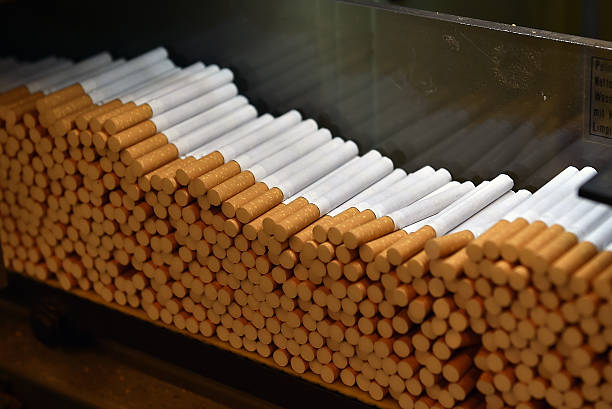
When Canadians search for native cigarettes, a surprising number of shoppers still picture something improvised: loose leaf rolled in someone’s kitchen, or a “mystery stick” with no real standard behind it. In reality, the Indigenous-manufactured brands you see from reputable channels are typically factory-made products: tobacco is graded and blended, cut to specification, formed into a rod, wrapped in engineered paper, joined to a filter, checked for basic physical consistency, and packed for distribution.
Knowing the normal industrial pipeline helps you shop with confidence. You can judge odd packs more accurately, understand why two SKUs feel different, and separate legitimate branded production from grey-market junk that only looks like a cigarette. You can also connect the dots between community economics (who benefits when you buy) and product quality (what repeatability requires).
This guide explains how cigarettes are generally made, then clarifies what that means for native / Indigenous-manufactured lines in Canada at a buyer level. It is not a tour of one specific facility—those details vary by producer—but it is factual, practical, and written for adults who want clarity without marketing fog.
Related reading on Native Smokes Canada: why some cigarettes burn faster than others, why cigarettes taste different around the world, full flavour vs light vs ultra light, and 2026 Canadian cigarette prices.
What you will learn
- What “native cigarettes” usually refers to in the Canadian market
- Major tobacco types and why blends exist
- Primary processing: from bale to usable tobacco
- Secondary manufacturing: how a rod, paper, and filter are assembled
- Filters, ventilation, and “light” cigarettes (mechanically)
- Packing, freshness, and what buyers can observe
- Quality clues vs counterfeits and inconsistent grey product
- FAQ
What “native cigarettes” means here (Canada, buyer vocabulary)
In everyday Canadian usage, “native cigarettes” most often means cigarettes manufactured under Indigenous industry on First Nations territories (or distributed through Indigenous-associated commerce) and sold as named brands with stable packaging—often in familiar king-size formats. That is different from:
- Unbranded or mystery cartons with no traceable identity
- Counterfeits that mimic multinational packs
- Diverted or smuggled product where supply chain integrity is unknown
From a manufacturing standpoint, the key idea is simple: repeatable product needs repeatable process. That is why serious brands invest in blending discipline, machine settings, and QC checks—same as any cigarette category. The difference many shoppers care about is not “handcraft mystique,” but value allocation: purchasing from Indigenous manufacturing and trusted retailers can support community economies rather than only feeding distant corporate hierarchies—while still delivering a packaged good made to a specification.
If you want brand-level orientation before you commit to a carton, read PlayFare’s, Nexus, DK’s and more: a closer look, then browse cigarettes in the shop.
Tobacco types and curing: why blends exist
Commercial cigarette taste and burn start with leaf chemistry and physical structure, not with the filter. Most factory recipes combine more than one class of tobacco because each class contributes different aroma, body, sweetness, and combustion behaviour.
Flue-cured (Virginia-type) tobacco
Flue-cured leaf is commonly bright, higher in natural sugars, and contributes a sweeter, sometimes “fruity” top note. It is widely used in many North American-style blends. In curing, heat is applied in a controlled way (traditionally via flues) to mature the leaf quickly and develop colour and aroma.
Burley (air-cured) tobacco
Burley is typically air-cured, lower in sugar, and more neutral or “nutty.” It absorbs casing and flavourings well and adds body. Many North American cigarettes lean on a Virginia–Burley backbone because it balances sweetness with a fuller mouthfeel.
Oriental (small-leaf aromatic) tobaccos
Oriental tobaccos are often aromatic and spicy; they appear in smaller percentages to add complexity. You see them more in some European-style profiles, though global brands still adjust recipes by market.
For a neutral reference on cigarette construction and tobacco’s role as a plant product, see the Wikipedia article on cigarettes (general reference, not medical advice).
Primary processing: from farm bale to “factory-ready” tobacco
Before a cigarette maker can run steadily, leaf must be converted from agricultural bales into a uniform feedstock. Steps vary by factory, but the industry-standard ideas repeat everywhere:
- Grading and separation: Leaf lots are sorted for quality, colour, and intended use. Off-type leaf is diverted so it does not destabilize a premium blend.
- Threshing and stripping: Lamina (the part you think of as “tobacco leaf”) is separated from stems. Stems can be processed separately; excessive stem in the wrong place changes burn and harshness.
- Blending silos: Measured fractions of different leaf grades are combined to match a target recipe. This is where brand identity begins chemically—not only in marketing.
- Casing / top flavouring (where used): Many commercial blends add humectants and flavourings to control moisture, mouthfeel, and aroma. Regulations differ by country; Canada has tightened many flavour avenues over time, which is one reason older smokers say “taste changed.”
- Reconstituted tobacco sheet (“recon”): A common industry process uses scrap leaf, stems, and fines to create a sheet that can be cut and blended back in. It helps standardize burn characteristics and nicotine delivery and reduces waste. It is normal in mass production—not automatically a sign of “low quality,” though shoppers rarely see it discussed.
- Conditioning for moisture: Tobacco that is too dry shatters and can produce a hot, fast burn; too wet can plug the rod. Factories target a workable moisture window for the maker.
If you have ever opened two packs that felt like different moisture levels, you are noticing conditioning and storage history interacting with the blend—before you even debate brand philosophy.
Secondary manufacturing: how a cigarette is actually assembled
This is the part people picture when they say “factory.” A modern cigarette line is built around high-speed precision: tiny changes in cut width or packing density become obvious across thousands of sticks.
Cut width and packing density
Blended tobacco is shredded to a controlled cut (often described in industry terms like cut width and particle distribution). The maker then draws tobacco through a garniture—essentially a forming channel—while paper is fed around it to create a continuous tobacco rod. The rod’s firmness matters: too loose can feel airy and burn hot; too tight can feel plugged and encourage harder draws.
Cigarette paper specifications
Paper is not generic printer stock. It is engineered for porosity, burn rate, and appearance. Porosity influences how oxygen reaches the burning zone, which ties directly to the burn behaviours discussed in our burn rate guide. Manufacturers match paper to the blend and filter system so the finished SKU behaves within an expected range.
Filter rods, tipping, and the final cut
Most filters are acetate tow—fibres bundled and wrapped to create a plug with controlled pressure drop. The tobacco rod and filter plug are aligned and joined with tipping paper (the cork-pattern or white band area many smokers notice). The continuous combined rod is cut into individual cigarette lengths—commonly king size in Canada—then routed to packing equipment.
Ventilation holes and “light” engineering
Many “light” or “mild” cigarettes rely partly on filter ventilation: laser-drilled micro-holes admit air that dilutes smoke during standardized machine smoking. In real life, fingers and lips can partially block vents, changing effective delivery and heat at the tip. That is one reason “light” is a packaging category with mechanical meaning—not a promise that it will feel mild for every person in every situation.
Packing, foils, cartons, and freshness buyers can feel
Finished cigarettes are typically wrapped to slow moisture loss: foil or metallized film inside the pack, then a carton structure for bulk. Packaging also carries brand identity—artwork, colour systems, and sometimes batch or compliance markings depending on channel and jurisdiction.
From a shopper perspective, packaging is not cosmetic. Seals that fail, crush damage, or repeated temperature swings can change moisture and make the same SKU feel harsher or faster-burning. If you buy cartons, understanding pack counts helps you pace consumption: see how many packs are in a native cigarette carton.
Quality control: what factories measure—and what you can observe
Industrial QC is broader than “someone eyeballing sticks.” Lines routinely track variables like rod weight distribution, pressure drop, and ventilation performance against targets. Those measurements exist because human perception is surprisingly sensitive to small physical changes—even if smokers describe it casually as “this pack hits different.”
As a buyer, you will not run a lab test, but you can still use practical checks:
- Consistency within a pack: obvious soft spots, tight plugs, or crooked filters suggest process drift or poor handling.
- Filter alignment and tipping: messy seams can be harmless—or a sign of low-grade manufacturing.
- Print quality: blurry logos, off colours, or wrong fonts are common counterfeit tells.
- Odour before lighting: extreme chemical off-notes can indicate storage abuse—or worse, non-standard sourcing.
Trusted retailers exist to reduce that guesswork: you are buying known SKUs from a supply chain that stakes reputation on repeat customers.
Process map: leaf to pack (simplified)
| Stage | What typically happens | What buyers notice when it is right |
|---|---|---|
| Leaf intake | Grading, threshing, stem control, moisture conditioning. | Stable taste and burn pack-to-pack over time. |
| Blend build | Recipe ratios across tobacco grades; optional casing/top notes. | Brand “personality” stays recognizable. |
| Cut & rod | Shred width + rod density + paper wrap. | Even draw; predictable cherry behaviour. |
| Filter & join | Acetate plug, tipping, ventilation pattern for lights. | Comfortable lip feel; expected strength tier. |
| Pack-out | Sealing, cartoning, warehousing, shipping. | Freshness preserved; intact branding. |
Myths vs reality (expanded)
- Myth: “Native smokes are not real factory cigarettes.” Reality: Major Indigenous-manufactured brands are typically produced with industrial makers and QC routines—otherwise they could not maintain recognizable SKUs at scale.
- Myth: “Reconstituted sheet means trash tobacco.” Reality: Recon is a mainstream processing tool used to standardize burn and reduce waste; it is about engineering, not “leftovers only.”
- Myth: “Cheap price always means dangerous ingredients.” Reality: Price is heavily shaped by taxes and distribution channel; risk rises when the source is unknown, not when the price is low from a legitimate Indigenous retail path.
- Myth: “Lights are healthier.” Reality: Smoking is harmful; “light” is largely a design and measurement category, not safety. For health facts at a population level, see the WHO tobacco fact sheet.
Manufacturing vs money: why price still explodes at retail
Even if two cigarettes require similar factory effort, retail shelf prices can diverge enormously because of excise taxes, provincial tobacco taxes, and retail markups. That is why education splits cleanly: this article explains how the stick is built; our 2026 price guide explains what wallets feel in Canada.
FAQ
Are native cigarettes handmade?
Named brands at scale are overwhelmingly machine-made. Hand-rolling can exist in niche contexts, but it is not the model that produces uniform cartons of a SKU you reorder monthly.
Is “organic” a reliable label in this category?
Treat marketing words carefully. If a claim matters to you, look for specific definitions, certifications, and packaging that substantiate it. Generic buzzwords are not a substitute for seller transparency.
Why do two packs of the same brand feel different?
Common causes include moisture changes, handling damage, age, and occasional line adjustments (blend tweaks happen industry-wide). If the difference is extreme, suspect storage or counterfeit risk.
Do native cigarettes use filters like mainstream ones?
They use the same general technology family—acetate tow plugs, tipping paper, and sometimes ventilation for milder tiers. Exact specs vary by brand and SKU.
Does manufacturing detail change health outcomes?
No. Smoking remains a leading cause of preventable disease. Understanding manufacturing is about product literacy, not harm reduction from smoking itself.
What should I look for in a trustworthy online seller?
Clear brand catalogue, coherent policies, reachable support, and consistent packaging on arrival. If a deal relies on anonymity and mystery labelling, you are outside manufacturing literacy—you are in supply-chain risk.
Are king-size native cigarettes the same length as retail king-size?
Usually in the same consumer category, but never assume millimetre-perfect equivalence across every brand. If length matters to you, compare packs directly.
Why is Canadian regulation mentioned in a manufacturing article?
Because regulation shapes which flavour tools exist, what packaging can look like, and what claims appear in market. Manufacturing does not happen in a vacuum—it happens under rules that differ by country.
Where can I buy Indigenous-manufactured lines in Canada?
Browse native cigarettes at Native Smokes Canada—adults 19+, with shipping options on qualifying orders.
Takeaway
Native cigarettes are not a folk craft mystery—they are manufactured goods. Leaf is graded and blended, often including industry-standard processes like reconstituted sheet; tobacco is cut and formed into a rod; engineered paper and a filter system set draw and burn behaviour; packing preserves moisture and carries brand identity. When you understand that pipeline, you can evaluate products like a serious buyer: consistency, packaging integrity, seller trust, and how strength tiers are engineered—not slogans alone.
Shop nativesmokescanada.com for Indigenous-manufactured cigarettes and related categories—clear product structure for Canadian adults 19+.
Disclaimer: Informational only; not medical, legal, or tax advice. Smoking is addictive and causes serious disease. Intended for adults 19+ where lawful. Steps are generalized; individual producers, nations, and SKUs differ.